
From George Martin to Finneas, including beatmakers and star producers, discover how music production has shaped the industry from yesterday to today.

Ornella Vanoni lors de l'enregistrement d'une chanson dans le studio d'un label italien basé à Milan avec son producteur.
À la suite de mes précédents articles, qui vous ont donné des maitriser la gestion des marqueurs, je vais aujourd’hui expliquer le rôle et les origines de ce métier. Essayons de mieux comprendre cette profession aux multiples facettes, parfois floue.
Qué s'appelerio Producere
The producer, also known as the artistic director, is somewhat the project manager of the creation of an album or a recorded work. They are responsible for having an overall vision of the project, connecting the various stakeholders, choosing the studio, and so on. They intervene at various stages: artistic direction, musical arrangements, recording and programming of instruments, vocal coaching, mixing, and even mastering. They are the common thread that links all these stages and generally act as the bridge between the artists and the record labels.
Psychologist, visionary, technician, entrepreneur: the role of the producer varies depending on the individuals, their skills, their tastes, as well as the expectations of the artist or label they collaborate with. This is why it is difficult to provide a uniform definition.
Etymologically, the word "producer" comes from the Latin producere, which means "to guide" or "to advance." The producer is therefore the driving force behind the project, bringing their vision to the world of an artist or a group. Some producers, like Brian Eno (U2, Coldplay) are recognized for their avant-garde style and influence on the music world. Others, like Clive Davis (Whitney Houston, Janis Joplin) are famous for discovering talented artists, or for their genius in sampling, such as Daft Punk ou du Hip Hop,like Dr. Dre or Timbaland.

"As a big cigar producer reading the score backwards."
Often confused with the "financial producer," these are, however, distinct roles.
Attached to a label or a record company, the financial producer is responsible for managing budgets and ensuring the project's profitability.
The two types of producers often collaborate around the artist, each in their area of expertise: music for one, finances for the other.
To complicate matters, some individuals combine these two roles, such as Quincy Jones (Michael Jackson), who is involved both artistically and financially.
With the constant evolution of production tools, new waves of producers regularly emerge, accompanied by a multitude of artists. In the end, no producer is like another. Nevertheless, let’s try to understand what unites them by tracing back to the origins of this profession.
Music Production thru the ages :
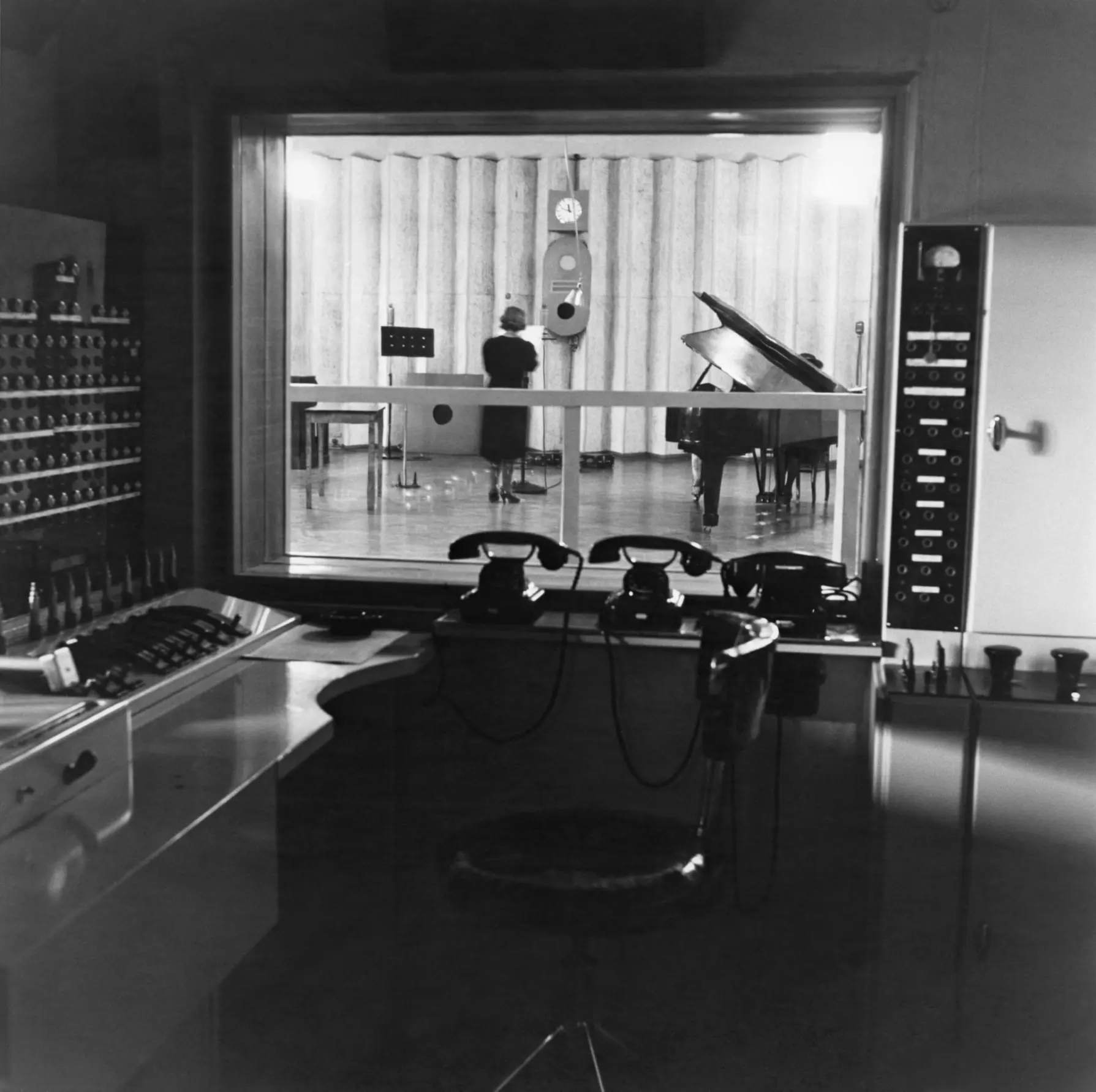
To trace the origin of the producer's role, we must go back to the early 1950s, with the emergence of recording studios. Initially, the producer's role was to oversee orchestral recordings. However, as equipment quickly evolved, some producers distinguished themselves by exploring new approaches and experimenting with emerging technologies.

George Martin with the Beatles in the Studio, 1966
Among them, a certain George Martin, then a classical music producer at the helm of the Parlophone label, in search of new talents in an emerging musical genre: rock’n’roll. It was during this time that he crossed paths with the Beatles, whom he initially judged as "not bad, but nothing special." However, their humor and intelligence would eventually win him over. After a reshuffling of the group, a close collaboration emerged, during which nearly 190 songs were recorded, including 27 number ones. Considered the "fifth Beatle," George Martin became, in turn, a mentor, arranger, and sound engineer. He would even accompany them in their experiments with Indian music on the album Sgt. Pepper’s.
The arrival of samplers in the 1980s marks the birth of the first hip-hop producers, also known as beatmakers. In the 1990s, electronic music experiences a boom with the French Touch movement, which will give rise to groups like Air and Daft PunkMore recently, music technology has opened up numerous possibilities, and artists like Skrillex or Petit Biscuit have been able to leverage these new tools to create new musical trends.
The Producer Spectrum :
By reading this article, you have undoubtedly noticed that it is difficult to create a typical profile. Here is a non-exhaustive list of different producer archetypes that I will attempt to describe to you.
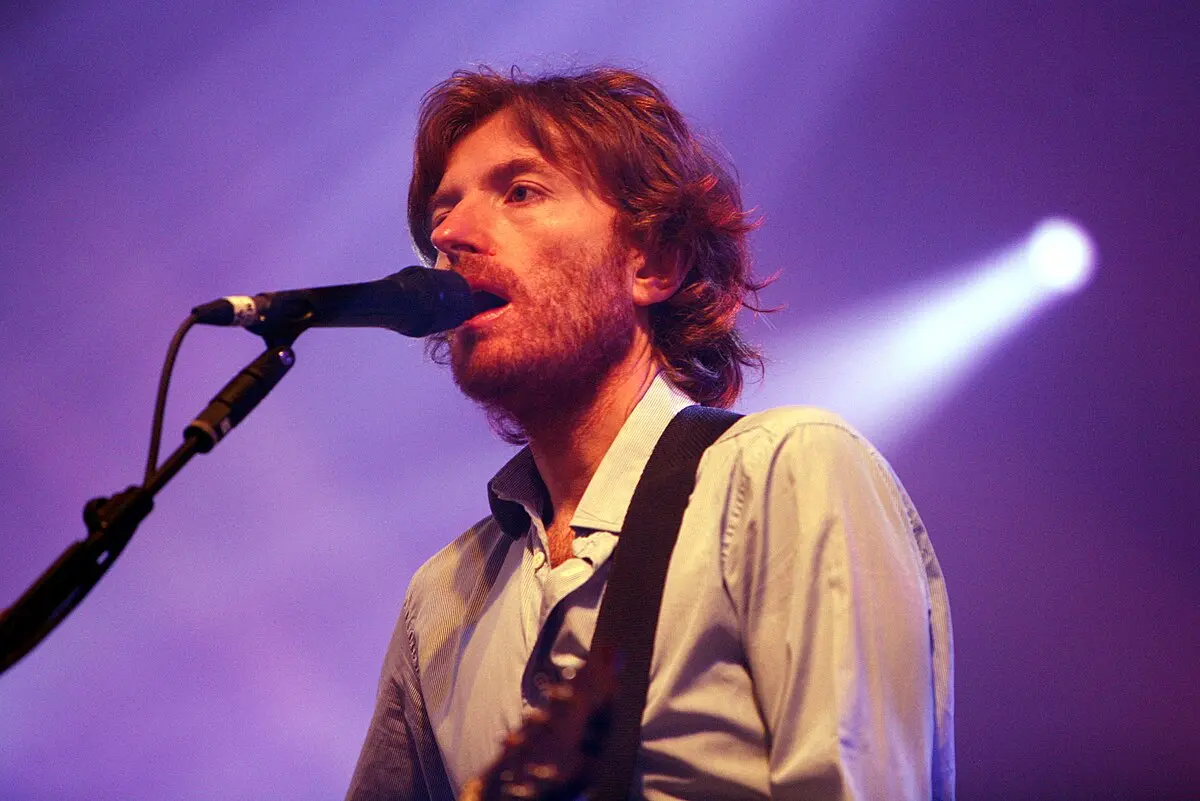
The Technician :
The production geek, behind his screens and machines, can spend hours fine-tuning the sound of a snare drum. Always on the lookout for new ways to create and evolve his music, nothing is left to chance. His ultimate goal: to achieve "the sound."
Some exemples : Nicolas Godin (Air), Grimes, Brian Eno, Nigel Godrich
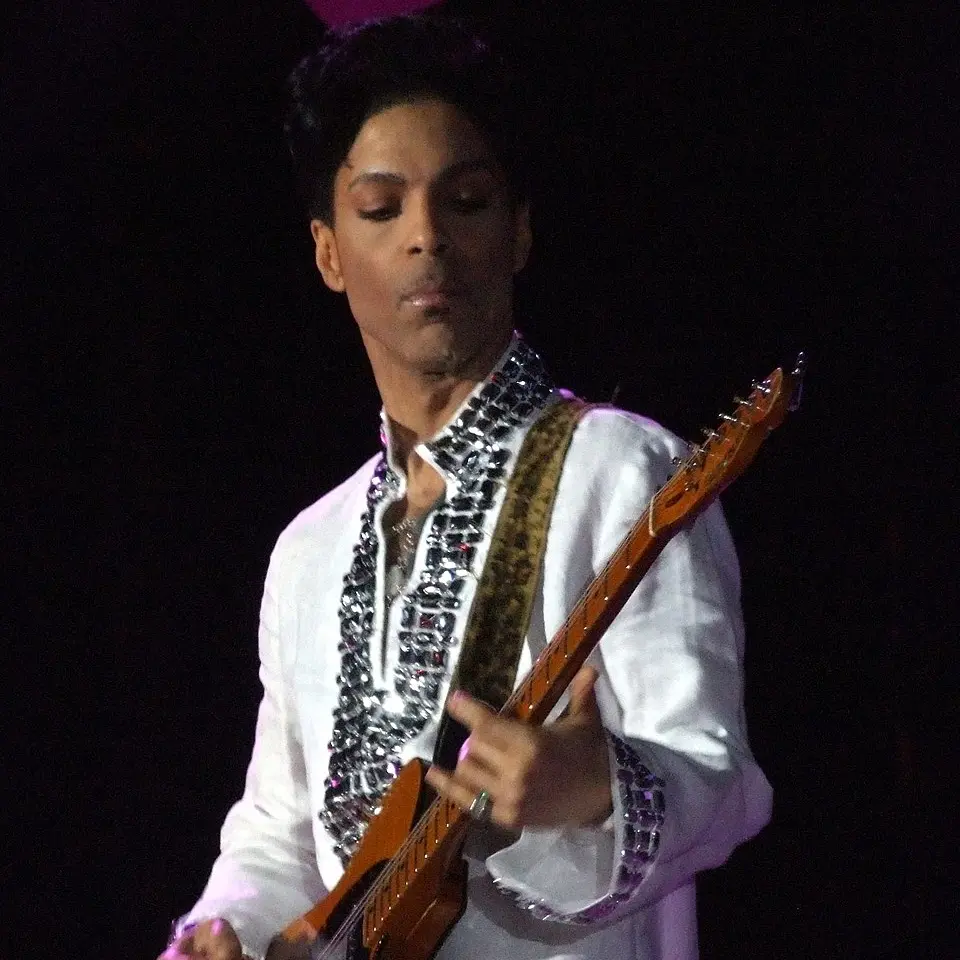
The Multi-instrumentalist :
A jack-of-all-trades, he plays all the instruments, sings, directs the music videos, and some even go as far as creating the choreography. He has a clear vision of what he wants to do and how he will achieve it. He is often the artist himself, although he sometimes dedicates time to collaborations.
Some exemples : Prince, Charlie Puth, Dave Grohl, Björk
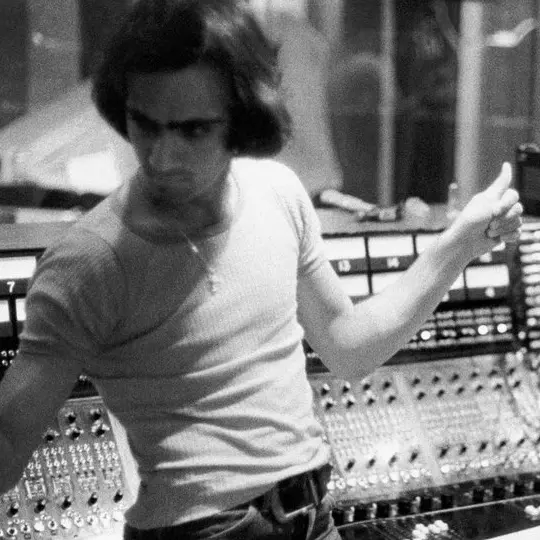
The Visionary:
Between businessman and music producer, he is a talent scout. Discreet, sitting at the back of the studio, if he is not speaking, it is because he is observing and analyzing. He is there to guide the artist and push them to surpass themselves. Less technically involved, his vision of the music industry and his flair make him an exceptional talent scout.
Some exemples : Rick Rubin, Clive Davis, Jimmy Iovine, Linda Perry
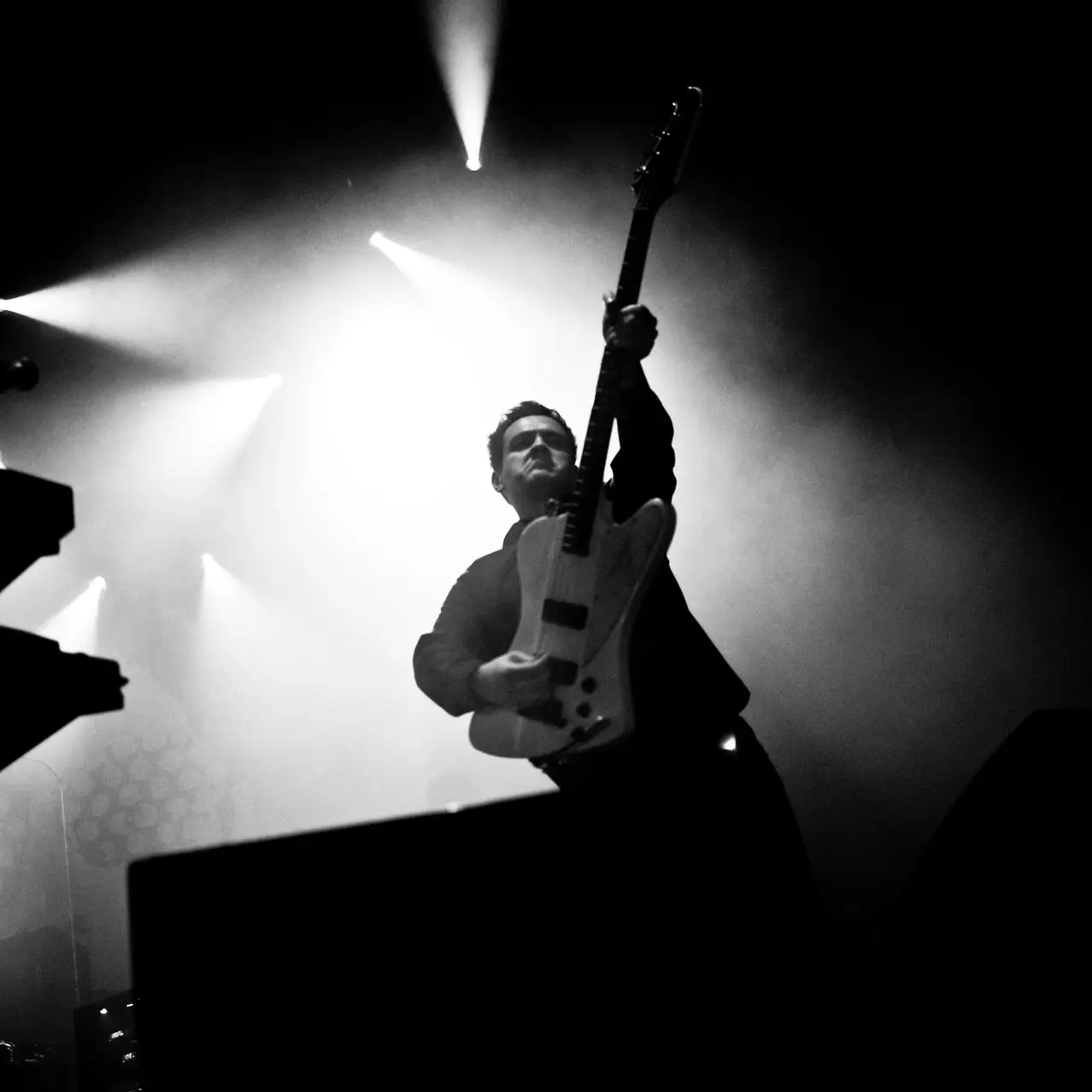
The DJ, Producer, Remixer :
In addition to making crowds dance, some DJs, thanks to their original remixes, have become true talent producers. Known for their flair, they spot an unknown a cappella and turn it into an international hit, propelling careers.
Some exemples : David Guetta, Ellen Allien, Calvin Harris, Avicii
“Bankable” Producers:
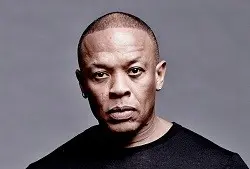
Over time, some producers have built a strong reputation by achieving commercial success after success. For an artist, collaborating with them is almost a guarantee of a hit.
Among the most influential producers in the music industry are names like Timbaland, Dr. Dre and Mark Ronson, each of whom made their mark on their era with innovative productions and launched the careers of many artists.
Timbaland, whose real name is Timothy Zachery Mosley, had a prolific career in the 1990s and 2000s, producing for Aaliyah, Missy Elliott, Jay-Z, Justin Timberlake, and Nelly Furtado. His signature sound, characterized by heavy beats and bold arrangements, has been widely imitated and helped define the sound of hip-hop and R&B during that era.
Dr. Dre, another legend of production, launched the careers of Eminem, Snoop Dogg, and 50 Cent. His style, based on powerful bass and soul samples, has become one of the most influential in the history of rap.
Mark RonsonBritish producer, achieved immense success in the 2000s by producing albums for Amy Winehouse, Lily Allen, and Bruno Mars. His eclectic style, blending funk, soul, and rock, managed to stand out in a often formulaic musical landscape.
Collaborating with a recognized producer not only provides maximum visibility but also grants a form of legitimacy in the eyes of the public and the industry. This can make all the difference in the success of a project.
The rise of home studios
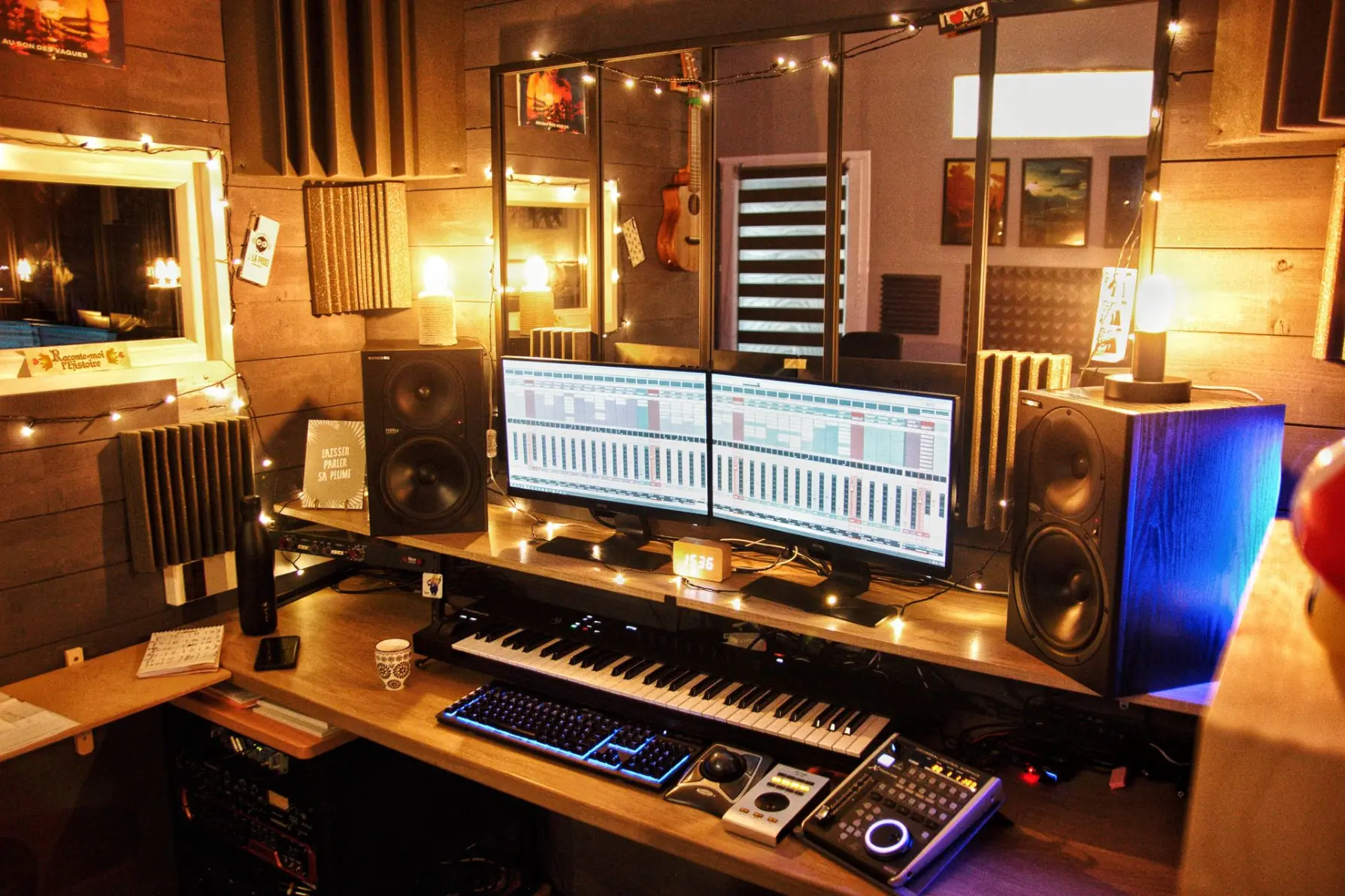
Recently, "bedroom producers" such as Finneas (Billie Eilish) proved that one could dominate the charts and win Grammy Awards by producing entire albums from their bedroom. Many beatmakers have also managed to place hits from their home studio.
Today, it is possible to equip oneself with professional tools at home and produce music on a limited budget. I am actually preparing a comprehensive article on everything needed to produce an album from A to Z. Current musical trends, as a mirror effect, often highlight sounds coming from home studios, disrupting the codes of the industry. The emergence of bedroom producers is changing practices to the point of relegating some productions from high-end studios to the background.
With streaming, which has drastically reduced artists' revenues, they are also forced to produce regularly, which limits the budgets and time allocated to an album.
Furthermore, for many, it is more comfortable to create in a calm environment, without the pressure of expensive studio sessions or a technical team to justify. This is how Stromae recorded his latest album entirely at home, taking the necessary time. Only the mixing was done in the studio.
Through these lines, I hope to have helped you better understand the contours of this profession, and perhaps even sparked a vocation within you. If that’s the case, I invite you to explore the other articles such as "how to make a sit-stand desk for a home studio for under €150." Feel free to comment, share on your networks, and stay connected: more articles are coming very soon!