
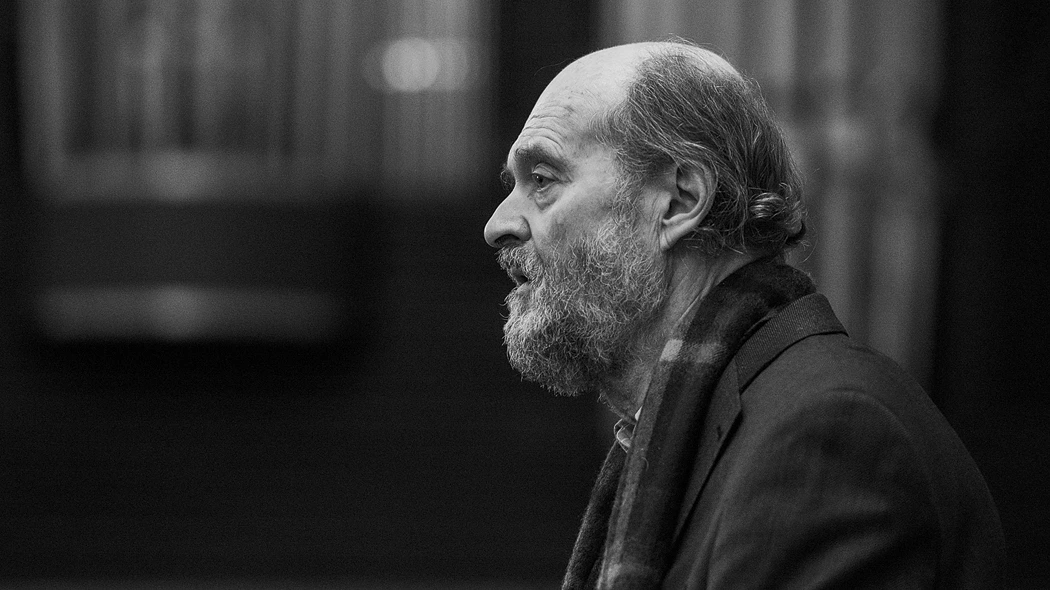
Paradoxically, I did not know Arvo Pärt, who is nonetheless an emblematic figure. It was by taking an interest in the work of IRCAM that I discovered the obvious connection between Pärt's music and algorithmic music. A sort of link between minimalism and ambient.
Pärt did not use a computer, but some of his works are composed with the rigor of a programmer. His Tintinnabuli style is a pure algorithm: a series of strict rules that, once set in motion, generate music and evoke emotions.
This discovery has sparked a reflection: Is it possible to program a Tintinnabuli generator that, through randomness, could create an entire composition?
The Algorithm as Partition
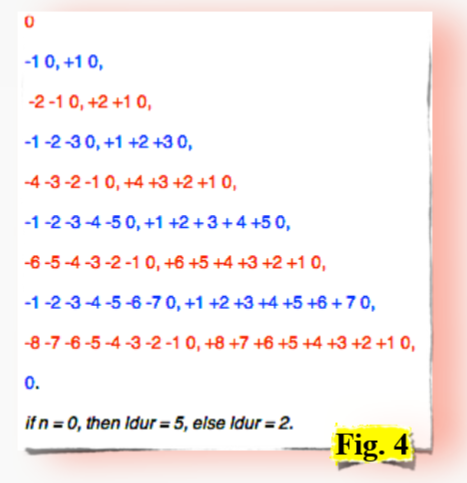
To understand the approach, one must return to the source. The IRCAM article "Computational analysis of Arvo Pärt's tintinnabuli style" (De Paiva Santana & Bresson) acts as a Rosetta Stone. It demonstrates that moving works like Spiegel im Spiegel are based on a strict binary logic:
The Voix M (Melodic): A voice that progresses step by step (diatonically), according to a precise mathematical series that lengthens with each cycle.
The Voice T (Tintinnabuli): A "bell" voice that revolves around, constrained to play the note of the chord closest to the voice M.
On paper, it's a mathematical formula. To the ear, it's music. This is the entire paradox of algorithmic music: mathematical structural rigor generates organic human emotions.
Vibe-coding as a crutch:
Until now, exploring this type of procedural composition required mastering complex environments like OpenMusic. The barrier to entry was highly technical.
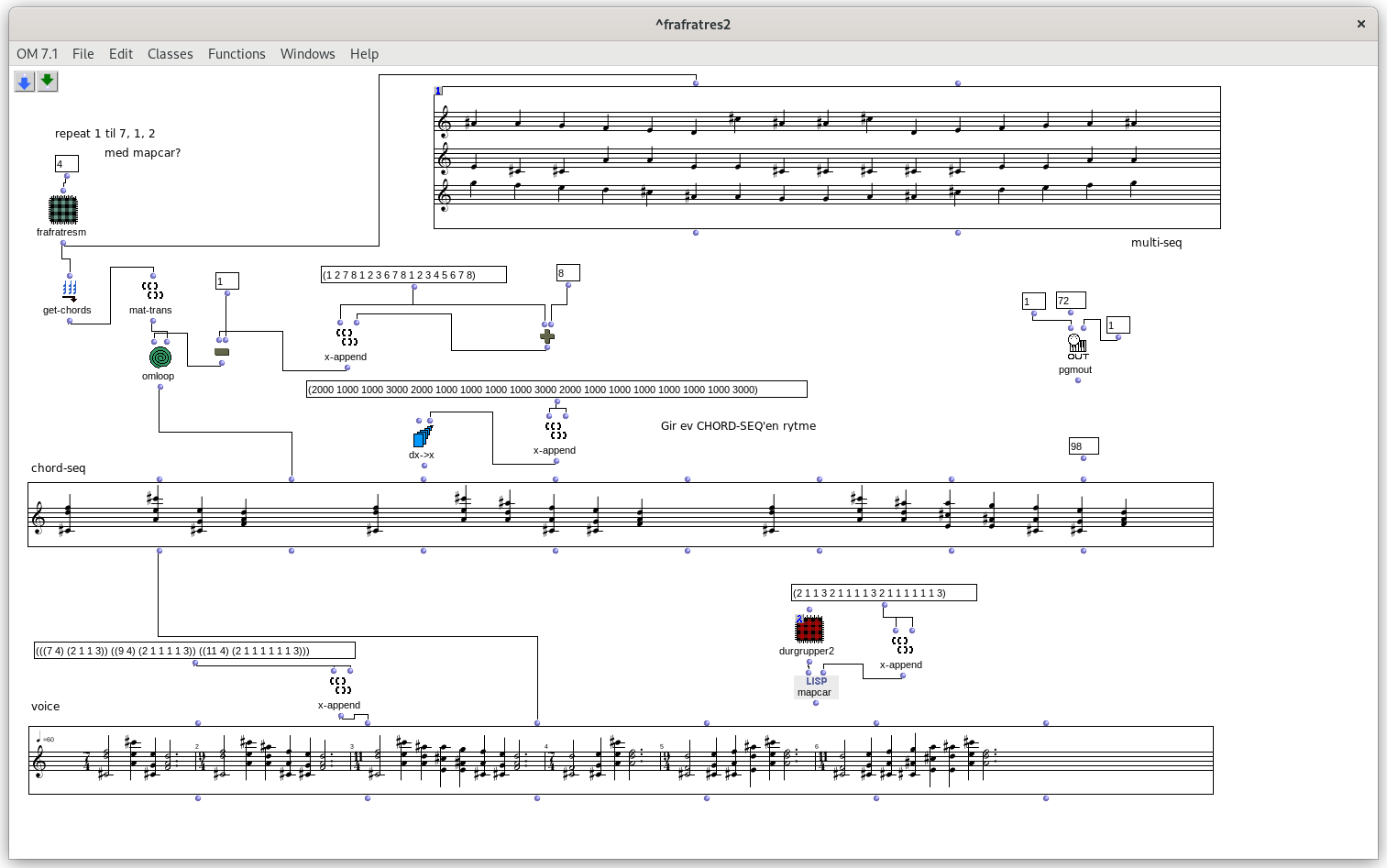
This is where artificial intelligence comes into play for the lay coder that I am. I asked Gemini to study the analysis done by IRCAM and I said to it: "Help me build a tool in REAPER that follows these rules."
A generative instrument in REAPER
With Gemini :
After several back and forths to integrate time management and music theory, Gemini has resulted in a functional script. The tool, directly integrated into Reaper, allows you to choose the key and the length.
Here is the raw music generated by the script:
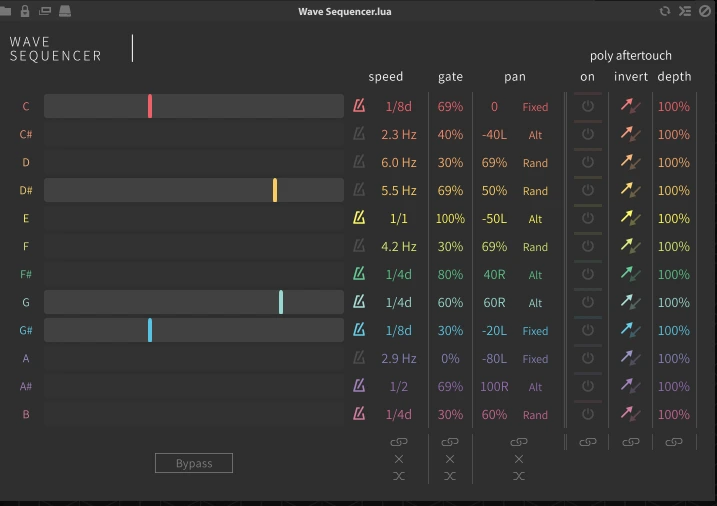
It's interesting, but it's a bit austere. I'm also experimenting with the UVI Falcon script. It allows for the use of very interesting scripts (kind of extreme arpeggiators). I'm using the wave sequencer, which gives each note unique properties (velocity, length, and pan). And I'm using the Ircam Prepared Piano 2 to create an ethereal atmosphere.
Here is the result once worked on and mixed:
With Chat GPT :
I then decided to see what Chat GPT could do by giving it an additional document from the very interesting video "How to compose like Arvo Pärt, tintinnabuli style" by Galen DeGraf. This is the structure:
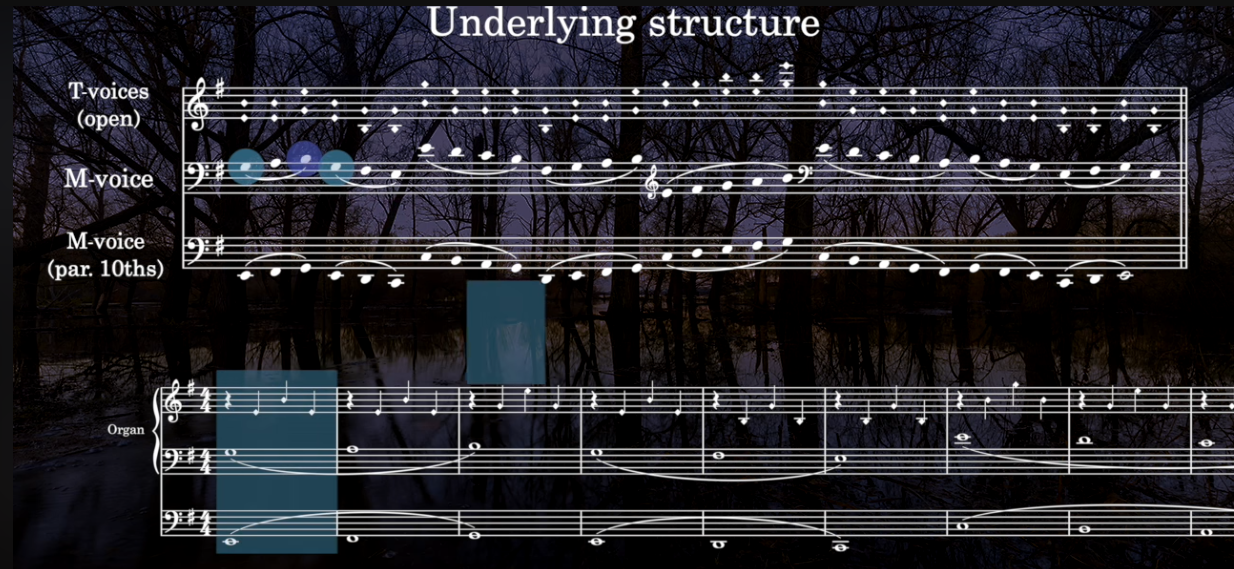
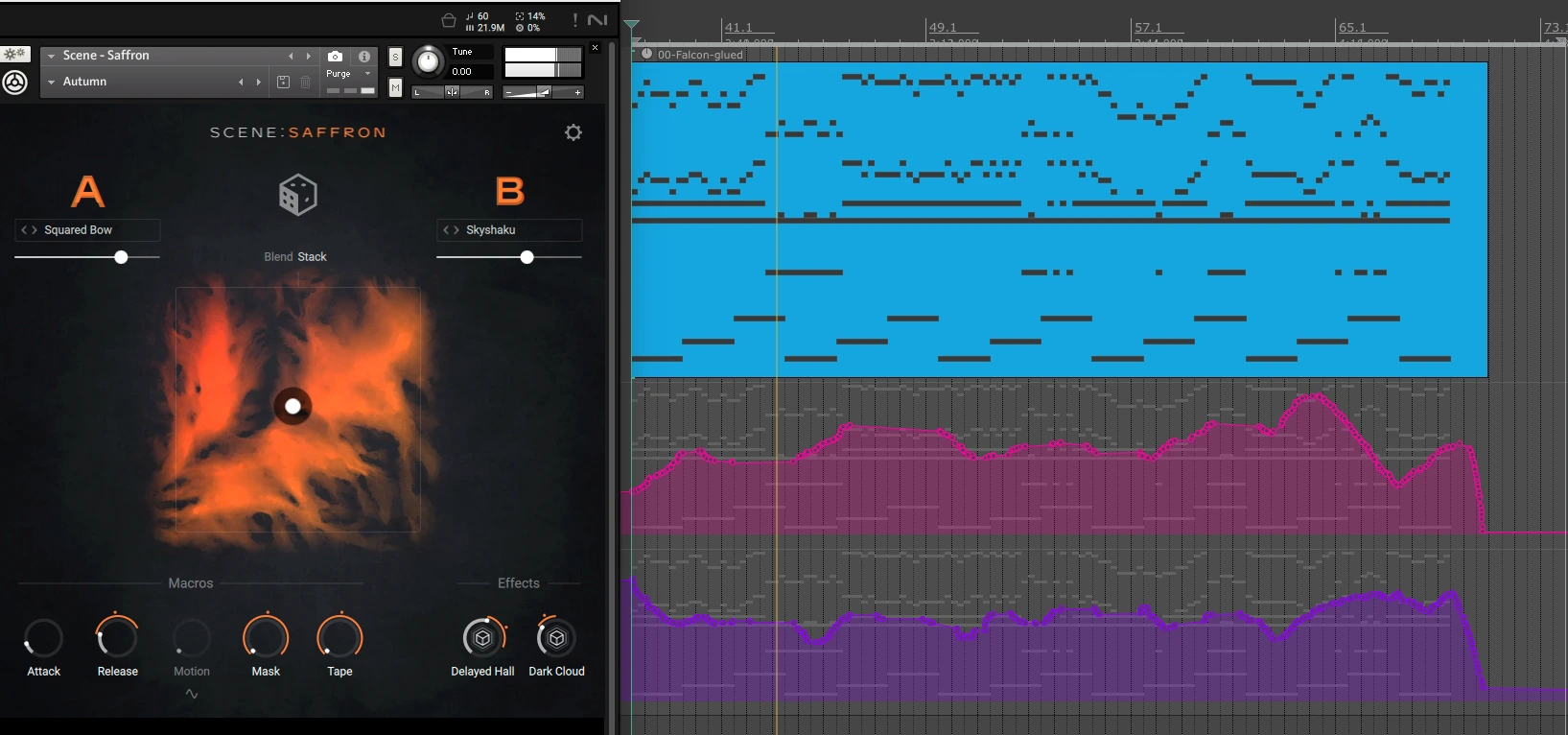
The result :
The illusion of creation:
Nevertheless, my musical experience remains, which taught me to manipulate raw material and produce with it. I ultimately acted as I do with artists who come to the studio with a fragment of melody on a notepad. I did not feel their emotions, nor did I follow their musical journey; I simply take what they give me and transform it into something else.
For example, here is one of the titles from this experience, where I only used notes from the generator created with Gemini (except for the rhythm). The experience has led to the creation of other titles; I will make them public if you are interested in the idea.
The vertigo of fatherhood:
At the end of this experience, I find myself faced with a question much more complex than the code itself: what is the actual share of original creation in this result?
The future of AI-assisted music may not be limited to the automatic generation of tracks with SUNO and similar tools. Because these tools can make music computing more accessible, faster, and more experimental. They open up wonderful doors to explore compositional systems. But we must be cautious; this power comes at a price.
Creating with AI means accepting a form of partial dispossession:
- dispossession of understanding,
- dispossession of know-how,
- dispossession of learning.
- dispossession (at least partial) of intellectual property.
The issue is not whether AI will "replace" composers. The issue is to determine how to remain an author in a process where part of the intelligence is outsourced. AI can be a tremendous creative amplifier. It can especially become a comfortable crutch, to the point of preventing us from walking alone. Everything will depend on the stance we take towards it, and this is not a technological question. It is a question of intellectual and artistic responsibility. I leave you with the excellent video by Micode that brilliantly addresses the issue.
AI is not going to replace us: it will make us stupid.