
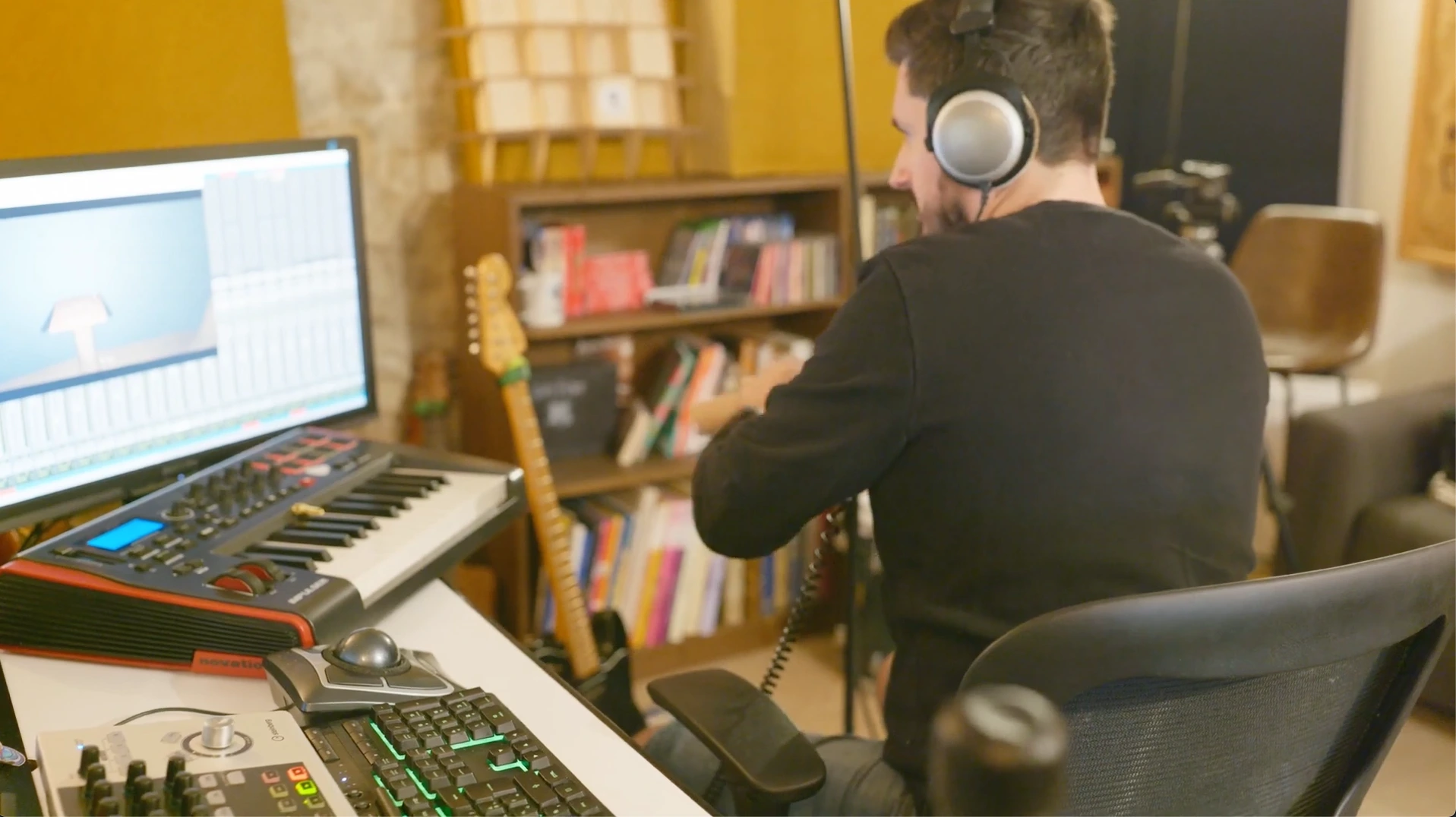
 Sound integration in a video game is a strict technical and artistic discipline. It requires a deep understanding of game mechanics. Understanding the role of a sound designer, their specializations, and the structuring of their rates is an essential step for developers who wish to master their production pipeline.
The specifics of interactive sound design
Unlike foley artists or sound editors who work on linear media like film, audio professionals in video games must master interactivity. Sound is not placed on a fixed timeline. It must react in real-time to the actions of players and the physics of the game.
This involves the use of specific software. Sound designers integrate their assets through middleware like FMOD or Wwise, and manipulate game engines directly such as Unreal Engine (notably through MetaSound) or Unity.
The different specializations of audio
The term "sound designer" encompasses several technical realities. Depending on the scale of the production, profiles specialize.
Generalist Sound Designer: This is the Swiss Army knife profile, essential for independent projects. He or she manipulates sound libraries, records original material, manages interactivity, and performs integration into the game engine.
Technical Sound Designer : This profile bridges sound creation and game logic. Required skills: visual scripting (Blueprints), advanced mastery of middleware (Wwise/FMOD). Daily tasks include integrating audio, finding solutions, adjusting attenuation curves, configuring dynamic ambiance systems, and debugging audio.
Audio Programmer : It is the low-level architect. His skills pertain to engineering: C++, digital signal processing (DSP), and mathematics. This profile develops synthesis plugins, optimizes the memory allocation of the engine, and codes extensions for middlewares/APIs.
Voice Designer : Voice treatment specialist. He or she creates original creature voices, manages the large-scale integration of multilingual dialogue lines, and often directs actors during studio recording sessions.
Music Designer : Specialist in interactive music, responsible for cutting and integrating the original score to dynamically adapt to gameplay. He or she facilitates the dialogue between the composer and the technical team.
- Audio QA (Quality Assurance): This profile is dedicated to in-game testing. He or she tracks sound bugs (missing sounds, loops that do not stop), checks the accuracy of spatialization, and ensures that the mixing remains consistent across all hardware platforms targeted by the project.
Rates: how much does a sound designer cost?
As a freelancer, the standard pricing is set per day (daily rate). Prices vary according to technical expertise and experience.
For junior generalist profiles, the rate starts at around €150 per day.
For senior and highly specialized profiles (such as technical sound designers or audio programmers), the rate rises to over €800 per day.
The request for a quote allows for estimating the investment. Studios that anticipate their needs (by providing a clear audio GDD and a precise list of assets) optimize this budget. Thorough preparation reduces unnecessary iterations and makes production more efficient.
The timing of integration: when to use audio?
Audio is often relegated to the end of development. This is a planning mistake.
The contact with a sound designer should be established as early as the prototyping or preproduction phase. This allows for evaluating the scope of the project in the long term, defining the impact of audio on the game feel, and preparing the list of assets to be delivered. The presence of a full-time audio profile is not always required; anticipating allows for planning occasional interventions at key moments in the production roadmap.
The dialogue with the musical composition

It is common to work with a composer who does not come from the video game industry. The delivered music is linear. This is where the specialization in "music design" comes into play.
The person in charge of sound design will need to cut and integrate these tracks to make them interactive. Be careful, this is not a universal skill among sound professionals. It is imperative to ensure that a member of the audio team is proficient in this specific process to guarantee the consistency of the in-game soundtrack.
What are the deliverables of a sound designer?
The nature of the files you will receive depends on the scope of the mission and the level of technical access you grant to the person in charge of the audio. There are three main levels of integration:
1. The "Full Package" (Complete Integration) This is the most optimal solution for the final quality of the game. The sound designer creates the assets, integrates them into the middleware or directly into the engine, places them in the levels, manages the overall mixing, and performs Audio QA.
Technical constraint: This involves providing direct access to the project and your version control software (GitHub, GitLab, Perforce, etc.).
2. Delivery via Middleware Tools like Wwise or FMOD make audio teams technically independent. The sound designer works on their own audio project and delivers only compiled files (the "SoundBanks" or "Builds"). These data banks are then read by the middleware plugin within your game engine.
Advantage : Access to versioning can be restricted to a specific audio repository, limiting the risks of conflicts in the source code.
3. The delivery of raw assets This is the most basic method and often appears to be the least expensive. You provide video captures of the gameplay, and the sound designer delivers the corresponding audio files in standard formats (.wav uncompressed, or .ogg/.mp3 compressed). It is up to your development team to integrate them into the engine.
Risk: This is the method that offers the least guarantees on the quality of the in-game result (timing issues, repetition, lack of dynamism).
Tip: If you choose this method, require that the files be standardized with a clear hierarchy of volumes (for example: background sounds at a lower level, standard sounds at a medium level, critical or alert sounds emphasized) to facilitate in-engine consistency.
Should you use an audio middleware for your video game?
It is a structural question that must be resolved at the very beginning of preproduction. Using middleware (like Wwise or FMOD) has a technical and financial cost, but the benefits for the workflow are significant.
The advantages of middleware These software solutions allow the audio team to manage interactivity, voice design, spatialization, mixing, and optimization (compression, memory allocation) in a completely autonomous and centralized manner, without requiring developers to code complex sound behaviors.
How much does middleware cost? Pricing depends on the overall development budget, the revenue generated by the game, and sometimes the number of targeted platforms (Wwise typically charges a license fee per deployment medium). While "indie" tiers can be very accessible or even free under certain conditions, costs can rise for cross-platform commercial projects. It is imperative to assess this cost/benefit ratio with sound professionals as early as possible.
Doing without middleware: the state of game engines It is possible to do without FMOD or Wwise. All game engines have native audio solutions, but with uneven levels of maturity:
Unreal Engine : The Epic engine offers the most advanced native solution, particularly thanks to MetaSound. This node-based system is enhanced with each update and, although it does not yet have the completeness of Wwise, it is more than sufficient for a wide variety of game styles.
Unity : The native audio system of Unity is technically lagging behind. It has few advanced tools for dynamic management and limits the ability of sound designers to optimize their work without the addition of third-party scripts or middleware.
Budget exhausted? The risks and rescue consulting
Ignoring the audio upstream often leads to the placeholder syndrome. You place temporary sounds, you get used to them, and you lose the critical perspective needed to judge the quality of your game. By the time you realize it, the production time has elapsed and the budget is empty.
The lesson is simple: audio costs should be anticipated in pre-production.
If the situation seems stagnant (budget and time exhausted), the ultimate solution is consulting. Hiring an expert for a very short duration (1 to 5 days) allows for an audit to be conducted. This intervention provides a list of simple and actionable tasks to correct the player experience: rebalancing volumes, adding priority assets, or resolving musical conflicts (tempo and key adjustments).
My audio consulting services
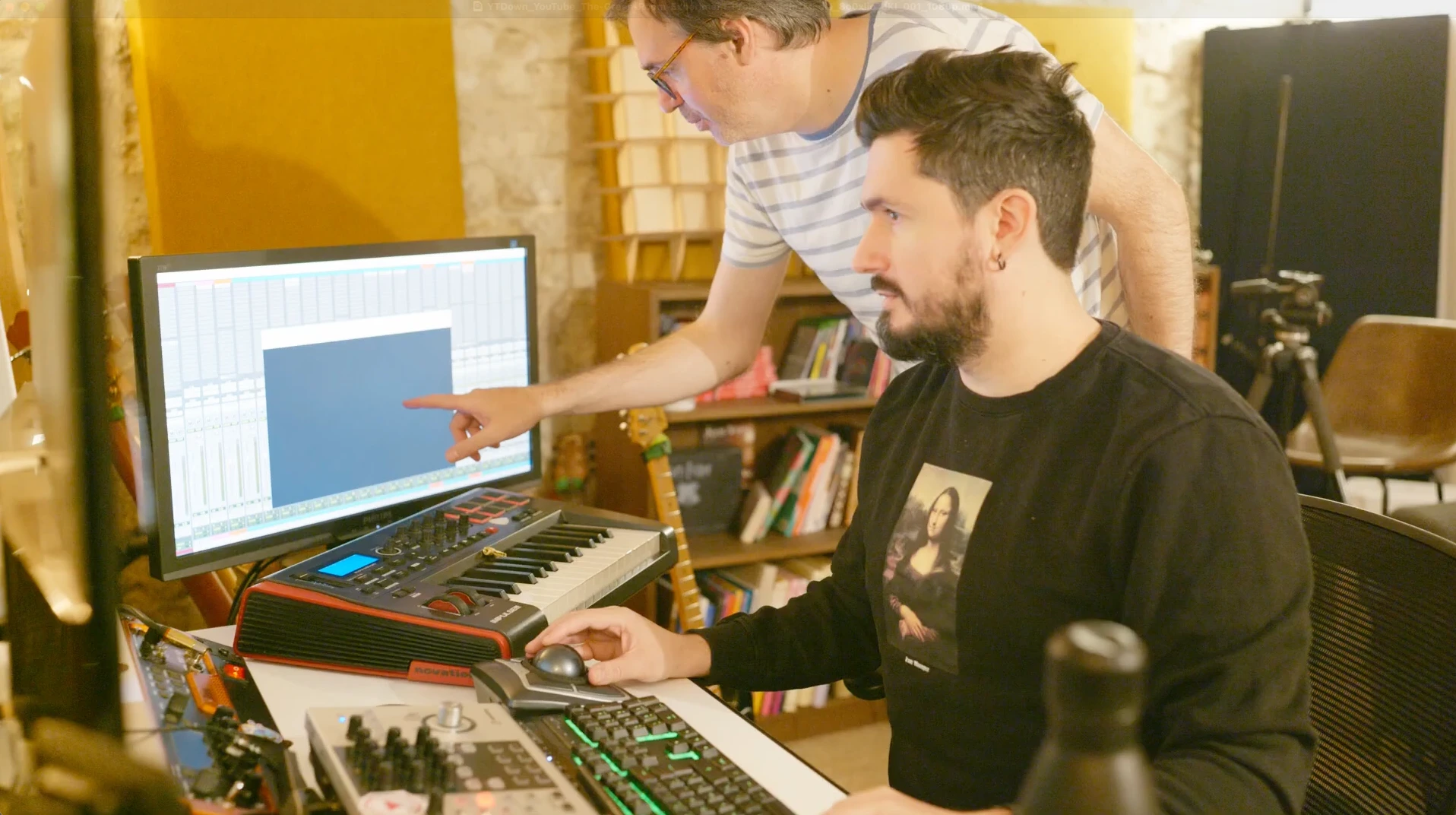
If the organization of the sound production for your project remains unclear, I intervene as a consultant for studios at various stages of development.
I specifically developed this consulting offer to support small projects with no initial budget or in the launch phase. Pricing adjustments are available for students, as well as in the context of partnerships with regional associations and support organizations for creation. The goal is to provide targeted technical expertise where complete outsourcing is not feasible.